Family-Friendly Dubai: How to Choose the Right Neighborhood for Your Family
Published 12 September 2026 at 00:38
Tickikids Blog Dubai > Reviews > Family-Friendly Dubai: How to Choose the Right Neighborhood for Your Family

Dubai offers families very different ways to live. One neighborhood may provide a villa, a garden, and quiet streets, while another makes it easier to walk to restaurants, use public transport, and reach the office. The right choice is not necessarily the newest development or the address with the longest list of amenities. It is the place that makes ordinary weekdays manageable.
That means looking beyond photographs and weekend viewings. School journeys, work commutes, grocery trips, parking, outdoor time, and access to healthcare shape family life more than a dramatic lobby or a distant skyline view. A useful search starts with the family's routine and then identifies the neighborhood that supports it with the fewest daily compromises.
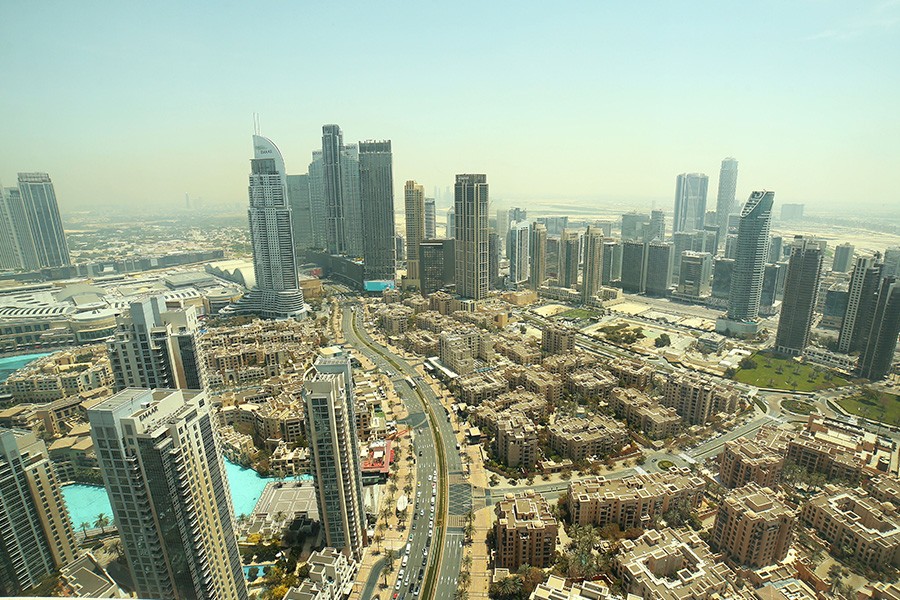
Image Credit: Pexels
Begin With the Journeys Your Family Makes Every Day
Distance on a map can be misleading in a city where travel time changes with the route and time of day. A home that appears close to a school or office may still require a difficult turn, a long walk from public transport, or a busy drive during peak hours. Before comparing buildings, mark the places that each family member must reach regularly and test the main journeys at realistic times.
The school run deserves particular attention. Confirm the campus location, admissions position, transport arrangements, and current fees directly with the school. If a school bus is available, ask where it stops and how long children normally remain on board. Families with younger children may value a short journey more than an extra bedroom, while teenagers may benefit from safe access to activities and friends.
Match the Home and Community to Your Family Stage
A toddler, a teenager, and a visiting grandparent use a neighborhood differently. Young children may need shaded play areas and simple stroller routes. Older children often care more about sports facilities, independent mobility, and places to meet friends. The home itself should also support the next few years, especially if another move would disrupt school or work.
Before choosing, discuss which features are genuinely necessary:
- the number of bedrooms and usable storage,
- an elevator or step-free access for strollers and relatives,
- a balcony, private garden, or nearby shared outdoor area,
- parking for the household and regular visitors,
- space for remote work or after-school study,
- pet rules and access to suitable walking routes.
Compare Neighborhoods by Their Main Trade-Off
Several Dubai communities are popular with families, but they solve different problems. Dubai Hills Estate combines apartments and villas with newer community facilities. Arabian Ranches suits households looking for villa living and a more suburban rhythm. Mirdif offers an established residential environment, while Jumeirah Village Circle provides a broad mix of apartments and townhouses. Dubai Marina offers a more vertical and active lifestyle, but busy surroundings may not suit every family.
| Neighborhood | Housing pattern | Often suits families seeking | Point to check in person |
| Dubai Hills Estate | Apartments, townhouses, and villas | Newer facilities and varied housing | Commute from the exact building |
| Arabian Ranches | Villas and townhouses | Space, privacy, and a quieter setting | Dependence on driving |
| Mirdif | Apartments and villas | An established residential atmosphere | Aircraft or road noise in the chosen street |
| Jumeirah Village Circle | Apartments and townhouses | Choice across home sizes | Construction and traffic around the building |
| Dubai Marina | Mainly apartments | Walkable services and an active waterfront | Crowds, parking, and elevator waiting times |
Test the Area Before Signing and Plan the Move Early
Visit the shortlisted area more than once. A weekday morning shows school and commuter traffic, while an evening visit reveals lighting, noise, parking pressure, and how shared spaces are actually used. Walk from the property to the nearest grocery store, playground, pharmacy, or transport stop instead of relying on the agent's estimate. In summer, consider whether the route remains practical in high temperatures.
Talk to residents when possible and inspect the building noticeboards, corridors, waste areas, elevators, and parking access. Ask how maintenance requests are handled and whether upcoming construction could affect noise or access. If renting, read the contract carefully and clarify responsibilities for repairs, cooling, deposits, and move-in permissions before paying.
Once the home is confirmed, booking vetted home movers in Dubai early can reduce last-minute uncertainty. Share access details, elevator booking requirements, parking restrictions, and the volume of belongings in advance. Keep passports, tenancy documents, medication, chargers, children's essentials, and a change of clothes with the family rather than packing them into the moving truck.

Image Credit: Pexels
Choose the Routine You Can Sustain
Families sometimes focus on maximizing space, shortening one commute, or securing a prestigious address. A more balanced decision looks at the total weekly cost in time, money, and energy. A cheaper home may become expensive if it requires two cars and long school journeys. A central apartment may cost more per square meter but return hours that can be spent together.
Create a simple scorecard and let each family member identify one priority and one concern. Adults should make the final financial and practical decision, but children can explain what would help them settle. Their answers may reveal needs that do not appear in a property listing, such as a place to cycle, a quiet study area, or reasonable access to existing friends.
The right Dubai neighborhood is the one that supports the family's real routine without depending on perfect traffic, unlimited energy, or constant spending. When housing, school, work, services, and leisure fit together, the neighborhood becomes more than an address. It becomes the framework that makes a new city feel manageable and, eventually, like home.